


May 15, 2026, marked a watershed for family law in Canada, according to Julie K. Hannaford.
That’s when the Supreme Court of Canada released its decision in Ahluwalia v. Ahluwalia, recognizing a brand-new tort of intimate partner violence (IPV).
“There is a long history of torts being engaged by family law lawyers, but as of May 2026, the whole landscape of tort law has changed,” says Hannaford, who acted for the successful wife at the Supreme Court. “Family law lawyers need to become conversant with the entire geography of torts, including how to analyze them, how to plead them and the heads of damages that may be available to them.”
The OsgoodePD Guide to Torts for Family Law Lawyers, for which Hannaford serves as co-Program Chair, is designed to do just that. The intensive one-day course takes place in person or online on Oct. 7, with an online replay to follow on Nov. 11.
Starting with a “nuts-and-bolts” primer session on tort law, attendees will then dig into the issues raised by potential IPV tort claims, as well as those made under longer-established “traditional” torts such as battery, assault and intentional infliction of mental stress – all under the guidance of some of the country’s leading family and tort law lawyers, academics and judges.
“The focus is on providing practical skills,” regarding issues like pleadings, derivative claims, OHIP subrogation, punitive damages and releases, among others, says Hannaford.
Hannaford’s co-Program Chair Alexi Wood has found her services to be in high demand among members of the country’s family law bars in the last few years, despite having no personal experience in the practice area. Instead, family law lawyers have turned to Wood for her expertise in tort law as the Ahluwalia case wound its way through the court process.
Wood’s wide-ranging litigation practice, where she has developed a niche assisting clients with civil sexual assault claims and related issues – including harassment, cyberstalking and non-consensual sharing of intimate images – has also given her considerable exposure to cases involving IPV.
“Even before the Supreme Court of Canada ruling in Ahluwalia, we’ve seen a lot of reach-outs from family law lawyers who have clients bringing forward these issues,” says Wood, the founder of Toronto firm St. Lawrence Barristers PC. “We’ve been offering help and advice on torts, but this program is a great opportunity for family law lawyers to really learn how to do it themselves and our whole firm is really excited about the idea that family law lawyers are learning about these skills and becoming familiar with tort issues.”
Still, it’s not just family law lawyers who would benefit from attending, according to Hannaford, who urges mediators, personal injury lawyers and criminal lawyers who deal regularly with cases involving domestic violence to consider enrolling in the program, as well as mental health or other non-legal professionals who provide evidence on the subject in court.
Hannaford says tort claims by family law litigants had not been a realistic option for very long by the time she was called to the bar in 1985, barely a decade after Ontario removed from its statutes the last vestiges of the ancient common-law doctrine of coverture, which subjugated a woman’s legal rights to those of her husband.
Up until the current decade, Hannaford, the president of family law boutique J K Hannaford Barristers, says it was rare for a victim of IPV to receive anything more than token damages under traditional torts such as battery or assault, even after suffering serious injuries at the hands of a spouse.
That changed with the 2022 trial decision in Ahluwalia. Building on recent amendments to the federal Divorce Act requiring courts to consider family violence, Justice Renu Mandhane recognized a tort of family violence and awarded the wife $150,000 to compensate for a litany of physical and psychological abuse that she found the husband had committed throughout their 17-year marriage.
Ontario’s Court of Appeal overturned Justice Mandhane’s recognition of a new tort on the basis that existing torts were flexible enough to address the husband’s abuse of his wife, before the Supreme Court reversed course again, recognizing its own distinct IPV tort in the landmark ruling earlier this year.
Hannaford says there may be plenty more twists and turns to come as trial judges issue their own rulings on the huge wave of IPV tort claims that have followed Ahluwalia, noting that the very first reported IPV tort decision has already made a significant contribution to the case law.
In Mitchell v. Mitchell Justice Susan Vella – who will be speaking at The OsgoodePD Guide to Torts for Family Law Lawyers – awarded a wife $400,000 in compensatory damages, ruling that damages awarded for violations of autonomy, dignity and equality are not subject to the cap that applies to non-pecuniary personal injury damages.
“This case has been very important for helping lawyers understand that the IPV tort operates under a very different analytical model from other torts,” Hannaford says. “These developments have really affected the way in which family law cases are pleaded, the way in which the evidence is marshalled and the way in which damages are analyzed and argued.”
With more than 40 years in practice behind her, Hannaford has seen her fair share of major changes at the family law bar and she says the knock-on effects of the recognition of the IPV tort will require a recalibration in line with some of the biggest, including the 2008 introduction of the Spousal Support Advisory Guidelines, which followed almost a decade of discussion, proposals and revisions.
“We need to better equip ourselves to deal with torts in the same way as we had to learn about valuations and income calculations when the spousal support guidelines came out,” Hannaford says. “It’s going to take some time and a lot of work and that’s why we all invested in this program.”
Want to learn more about The OsgoodePD Guide to Torts for Family Law Lawyers?
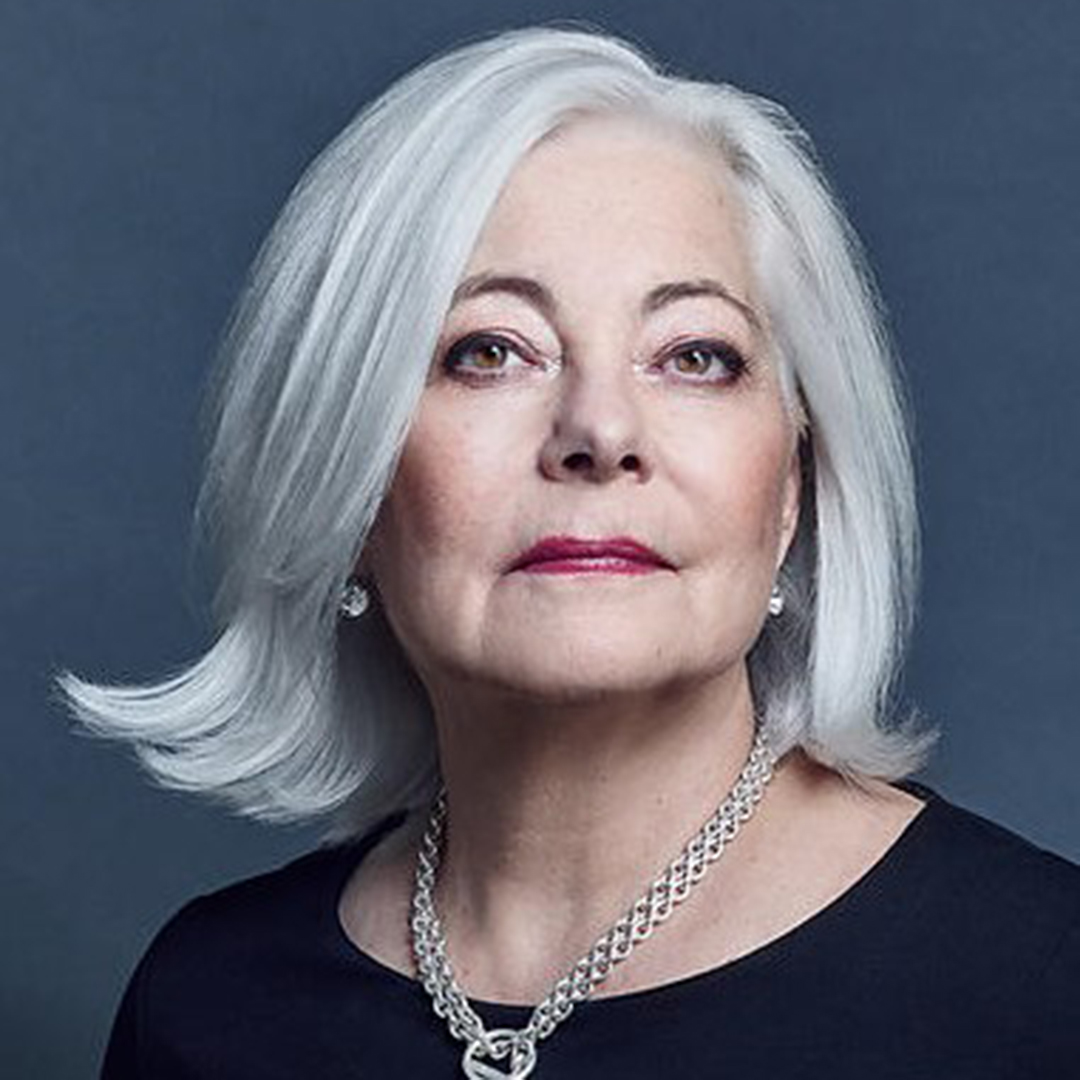
Julie Hannaford – J K Hannaford Barristers
Co-Chair of The OsgoodePD Guide to Torts for Family Law Lawyers
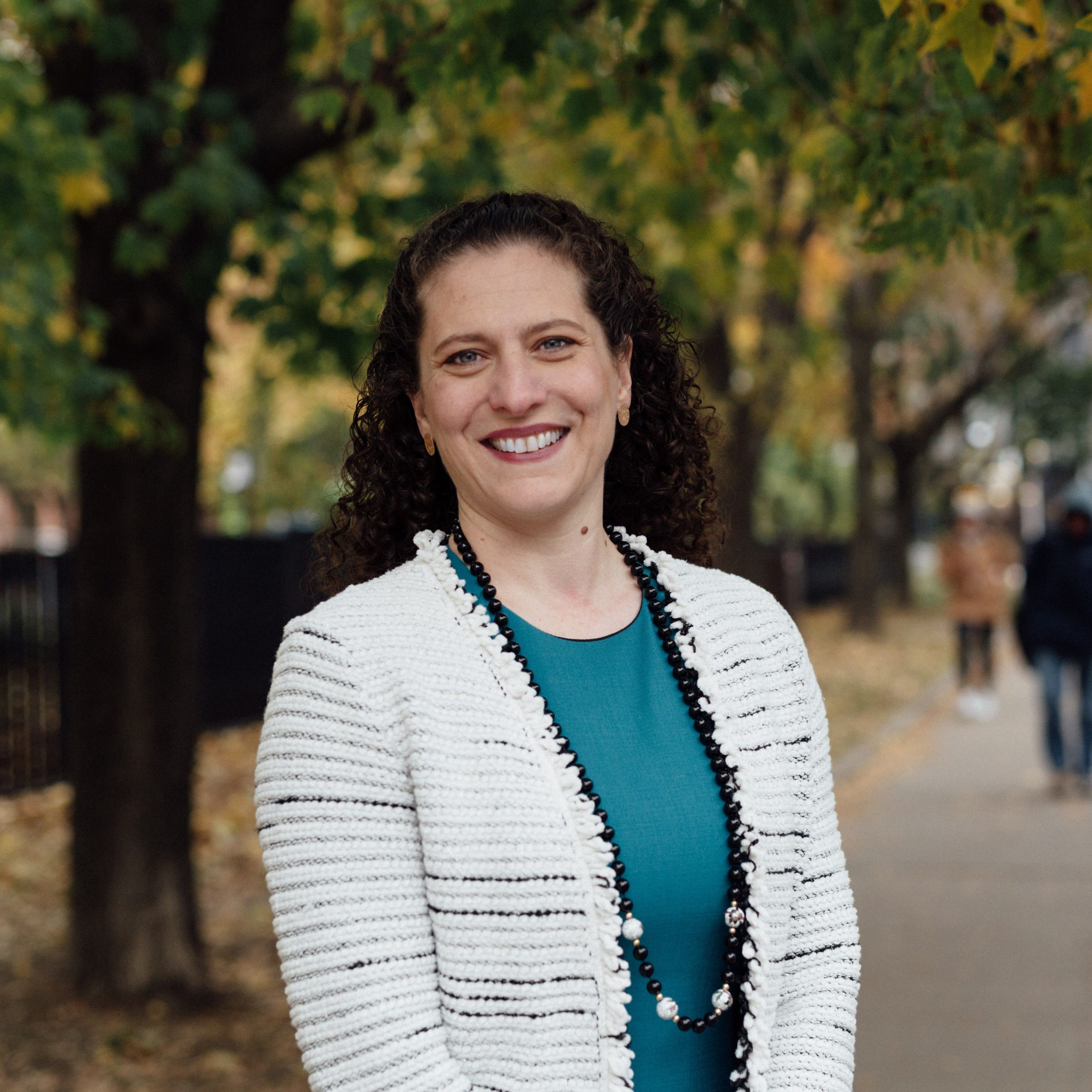
Alexi Wood – St. Lawrence Barristers PC
Co-Chair of The OsgoodePD Guide to Torts for Family Law Lawyers