
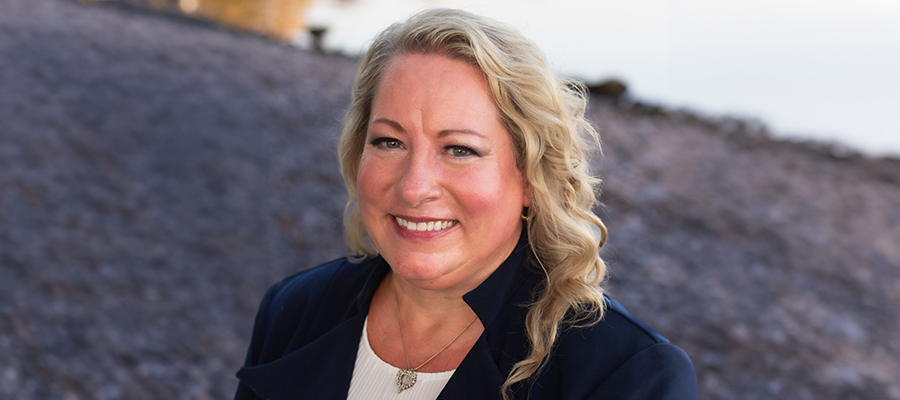
After two decades in HR strategy, leadership training, and organizational development, Stephanie Noël had worked with subject-matter experts to bring leading-edge programs to thousands of professionals. What she hadn’t found was a deeper understanding of how conflict takes root, grows, and can be addressed more holistically through dispute resolution. Several colleagues she admired, some graduates of Osgoode’s Professional LLM in Dispute Resolution from its very first class two decades earlier, had told her the program was built for her. It was.
“It fundamentally changed the way I think,” she says. The program cultivated a habit of curiosity and active listening she describes as transformative, anchored by two deceptively simple questions: tell me more, help me understand. Learning to ask them, and really mean them, took practice. “It took several courses, and then all of a sudden it lights up, and you realize this is the new lens you were seeking.”
That shift reshaped how she reads conflict itself. “One of the most significant lessons from the LLM was realizing that conflict is rarely the root problem. It’s often the visible symptom of deeper issues involving leadership, communication, organizational systems, trust, and psychological safety,” she says. Where she once might have asked who was right or what happened, she now starts somewhere else entirely.
“What conditions allowed this situation to develop, and how can we strengthen the workplace so similar issues are less likely to occur in the future?” Two colleagues who suddenly can’t get along, she explains, are rarely the actual problem. Beneath the surface disagreement, the cause is often systemic: unclear roles, a communication gap at a critical point, or an absence of leadership exactly when it was needed most.
Today, Stephanie works as an independent, neutral third party supporting organizations through workplace assessments, investigations, mediation, and restoration. Formal investigations remain an important tool, but many organizations are better served by assessments, restoration work, leadership coaching, and facilitated conversations that address root causes before relationships deteriorate further. Demand for that kind of neutral support has also grown substantially, particularly in smaller or close-knit organizations such as municipalities, where people often see each other outside of work and may simply need someone external to talk to.
“Organizations are increasingly recognizing the value of engaging a neutral third party to understand workplace dynamics, identify systemic issues, rebuild trust, and create healthier organizational cultures.” Her work demonstrates how dispute resolution can help organizations address systemic issues before they escalate.
Structure matters as much as insight, she says. Workplace restoration is still a developing field because no two organizations, like no two people, are alike, and the work calls for a wide toolkit rather than a single fixed method. What she tries to give every group is a clear roadmap: a sense of the process ahead, adapted along the way, so people know they are moving toward resolution rather than standing still in it.
Stephanie traces her approach back through every chapter of her career, from her original business training to years spent in leadership and change management before the LLM added what she calls her conflict resolution lens. “It gave me a systems perspective that continues to influence every workplace assessment, coaching engagement, mediation, and leadership conversation I have today.” The program deepened her understanding of dispute resolution as both a professional discipline and a leadership skill.
Her philosophy, distilled, is the one she returns to most often. “Organizations don’t change because someone writes a great report. They change because people begin having different conversations.” Her work, and the degree that shaped it, is about creating the conditions where those conversations can happen, with curiosity, respect, and a shared commitment to building healthier workplaces.
Wondering if the Professional LLM is right for you? Get information on course requirements, application dates, tuition and more!
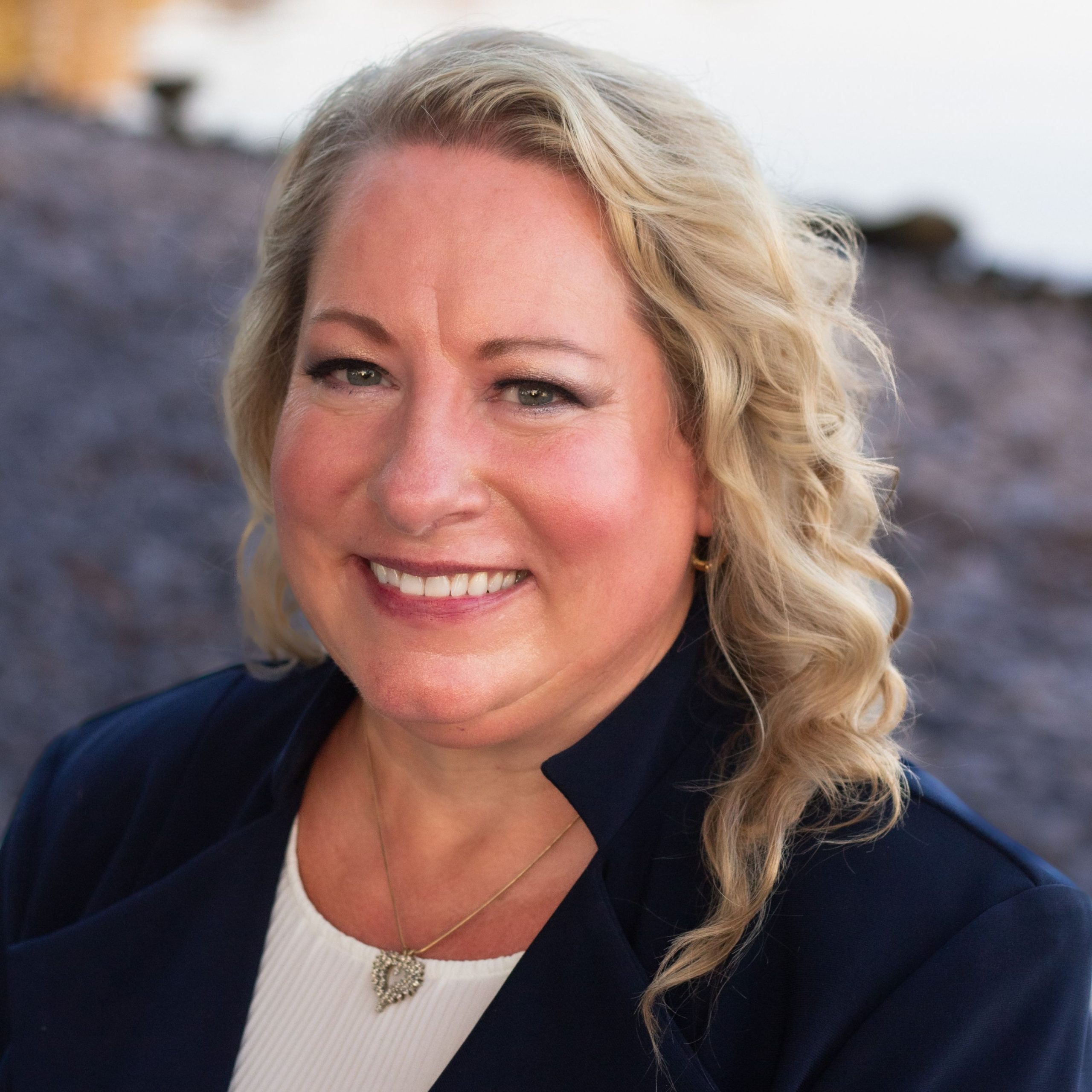
Stephanie Noël – Independent Workplace Consultant, Noël & Co. Inc.
Graduate of OsgoodePD’s Professional LLM in Dispute Resolution (2022)