

As a legal clinic lawyer with decades of experience acting for tenants, Jack Fleming doesn’t get many opportunities to interact with lawyers for landlords outside of the hearing room.
The one exception to the rule is during Osgoode’s annual program, Residential Landlord-Tenant Disputes: Essentials for Lawyers and Paralegals.
While most continuing legal education offerings in the field cater to either side of the landlord-tenant bar, Fleming explains that the Osgoode program – which he co-chairs – bridges the divide.
“One of the things that makes this program special is the way that it brings together the landlord and the tenant bars,” says Fleming, the executive director of North Peel & Dufferin Community Legal Services. “We’re used to facing off against each other in courts or tribunals, but this gives us a chance to get together, talk, disagree respectfully and learn from each other.”
The cross-bar theme is reflected in the substance of the one-day conference, as well as its attendance, according to Fleming’s co-chair Kristin Ley, who acts exclusively for landlords, housing providers and property management companies in her own practice at London, Ont. law firm Cohen Highley LLP.
“It’s very important to us that we bring both perspectives to every topic and legal issue that we cover,” says Ley, a firm partner and head of its Multi-Residential Housing practice group.
Had she been called to the bar in any other year than 2008, fate might have taken Ley’s career in a different direction. The global financial crisis that exploded that year put a hitch in her plan to pursue positions in corporate law and prompted her to take a job working with Joe Hoffer, the lawyer who ultimately became her multi-residential housing law mentor.
“I saw it as a great opportunity to learn from someone who is very well respected in the field,” Ley says. “And the rest is history.”
It was Hoffer who first got Ley involved in Osgoode’s landlord-tenant disputes program and she eventually succeeded him as co-chair.
This year’s edition runs live virtually on April 17, with a replay set for June 5. As in previous years, the 2026 edition will have a heavy focus on legislative and jurisprudential updates, including a look at the potential impact of Ontario’s Bill 60 – an omnibus bill that included a series of measures intended to tackle delays at the Landlord Board, as well as several adjustments to the eviction process under the Residential Tenancies Act.
Other topics include the interplay between Ontario’s Human Rights Code and residential tenancies law, as well as an exploration of the unique legal challenges associated with housing co-ops in the province.
“It’s one of those areas that is ever-evolving. There are always new issues to be on top of and new priorities for clients, where they want to understand exactly what the law says and how they can work within that to improve their operations,” Ley says.
Fleming says change has been a constant theme during his own career in the area of landlord-tenant law. When he was called to the bar in 1984, landlord-tenant disputes were still heard in Ontario’s court system.
Later, he delayed the publication of his book Residential Tenancies in Ontario to coincide with the late-1990s inauguration of the Ontario Rental Housing Tribunal – a body that was eventually replaced by the Landlord and Tenant Board following the passage of the province’s Residential Tenancies Act, 2006.
“When I thought of the detailed, thorough books that students get in law school on subjects like contracts or torts, it struck me that we didn’t have anything like that for residential tenancies, or for poverty law generally,” Fleming says. “By that point I had been teaching for a number of years and I had the confidence to think maybe I could write one.”
“We’re up to the fourth edition now and I’m working on the fifth,” he adds.
In addition to new and junior practitioners, Ley says Osgoode’s landlord-tenant disputes program is also designed to cater to professionals with plenty of experience – including numerous attendees for whom the program is an annual highlight of their calendar.
“Each year builds on the last, based on the feedback that we get from attendees and what developments we have seen in practice,” she says.
“What I want is for people to walk away feeling like they have picked up a few nuggets that they can actually use in their practice,” Fleming adds.
Want to learn more about our annual Residential Landlord-Tenant Disputes: Essentials for Lawyers and Paralegals program?
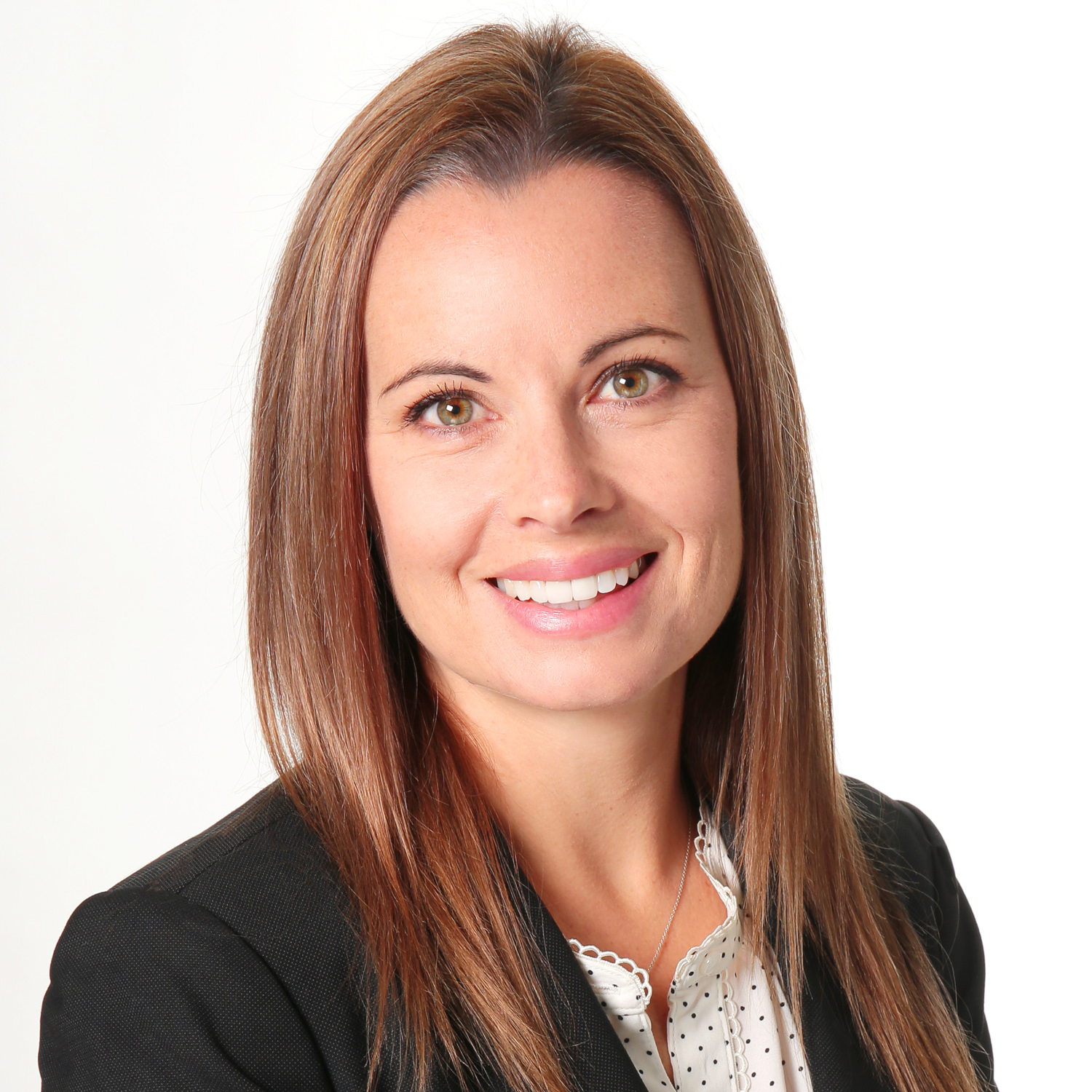
Kristin Ley – Cohen Highley LLP
Co-Chair of OsgoodePD’s Residential Landlord-Tenant Disputes 2026 program

Jack Fleming – North Peel & Dufferin Community Legal Services
Co-Chair of OsgoodePD’s Residential Landlord-Tenant Disputes 2026 program